Digital Wallets Bridging Table Game Rewards to Sports Prediction Platforms
Written by Finley Klein · Sep 11, 2026

Digital Wallets Bridging Table Game Rewards to Sports Prediction Platforms
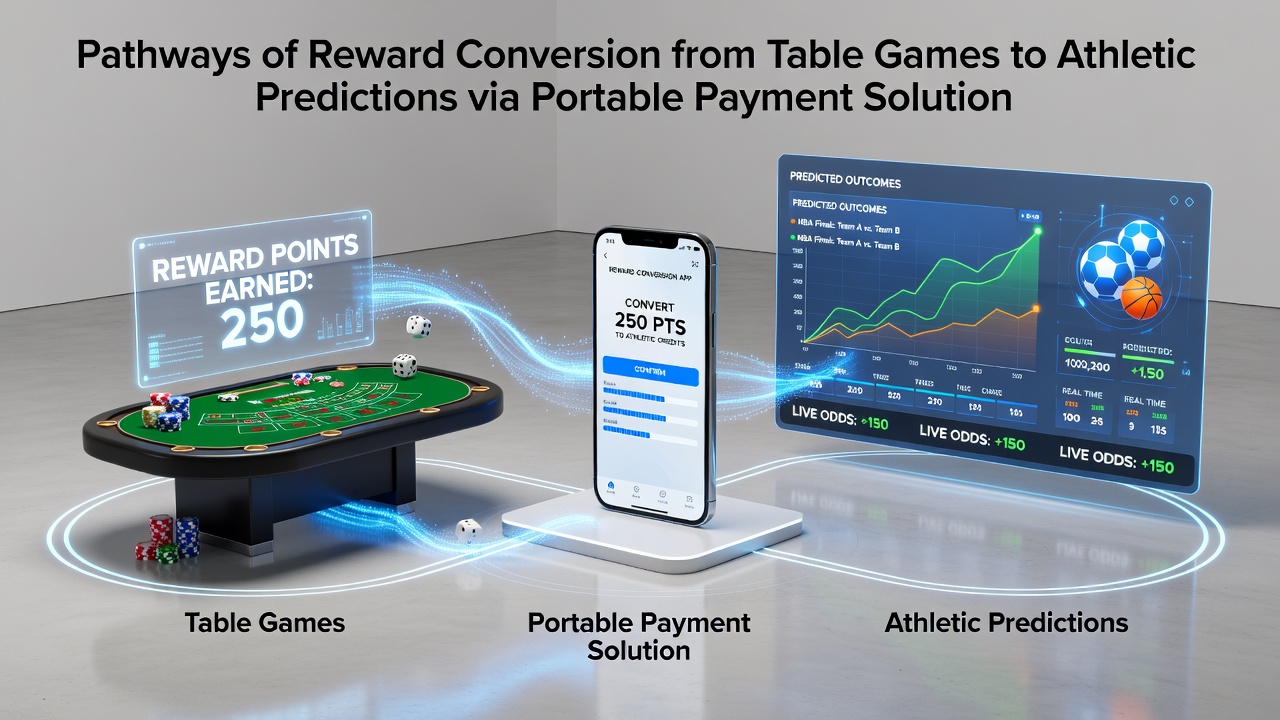
Portable payment solutions now support direct transfers of earnings from table game sessions into accounts designated for athletic predictions, allowing users to move balances without intermediate steps or delays. Operators integrate these systems so that winnings from games like blackjack or roulette convert automatically into credits usable on sports odds platforms, and this process relies on standardized APIs that connect casino software with sportsbook databases. Data from the Nevada Gaming Control Board shows increased transaction volumes in this category during the first half of 2026, driven by mobile applications that handle both deposit and withdrawal functions in a single interface.
Users initiate the conversion by selecting a reward balance within the table game module, then routing it through an e-wallet provider that verifies eligibility before crediting the sports prediction account, while security protocols such as tokenization and multi-factor authentication maintain compliance across jurisdictions. Research from the University of Nevada Reno indicates that these pathways reduce processing times from hours to seconds in many cases, because the payment gateways operate on real-time ledgers rather than batch settlements. Observers note that integration points often appear in hybrid mobile apps where table game interfaces sit alongside betting dashboards, enabling seamless navigation without logging out or switching providers.
Technical Mechanisms Supporting Cross-Format Transfers
Payment processors embed specific routing rules that tag funds according to their origin, whether from table game play or other sources, and this tagging ensures that converted rewards meet the terms required for sports prediction accounts. Systems track these movements through encrypted logs that regulatory bodies can audit, and portable solutions like digital wallets add an extra layer by allowing offline initiation of transfers that complete once connectivity resumes. Figures from the Canadian Gaming Association reveal that platforms using these methods recorded higher retention rates among players who shift between game types frequently, because the friction of manual withdrawals and re-deposits disappears.
One documented case involves a European operator that linked its live dealer tables to an international sportsbook via a single wallet provider, resulting in automated reward conversions that users complete within the same session. The process uses predefined exchange rates for any bonus components and applies them instantly, whereas manual methods previously required multiple confirmations and verification calls. Experts have observed that such setups rely on partnerships between payment firms and gaming software developers to maintain compatibility when platforms update their rules or odds engines.
Regulatory Context and September 2026 Updates
Regulatory frameworks in multiple regions now require clear disclosure of conversion pathways so that players understand how rewards move between formats, and this includes labeling any restrictions tied to game type or geographic location. In September 2026, several North American and Asian regulators aligned on updated data reporting standards that cover these specific transfer flows, requiring operators to submit aggregated statistics on volume and frequency. Those standards build on earlier guidelines from the Australian Communications and Media Authority, which already mandate separation of funds until conversion requests receive explicit user approval.
Payment solution providers adjust their compliance modules to match these evolving rules, incorporating features that flag potential issues before transfers complete. Industry reports compiled by the European Gaming and Betting Association document steady adoption of these aligned standards, particularly among operators serving cross-border users who switch between table games and athletic predictions regularly. The result appears in unified transaction histories that users access through their mobile wallets, showing both the source game and the destination prediction market in one view.
Practical Examples from Current Platforms
Platforms that combine table game access with sports prediction sections often demonstrate the conversion process through tutorial sequences that highlight each step, from balance selection to final credit application. Take one operator serving multiple markets where users complete a poker session and route a portion of winnings directly into an upcoming football match prediction, all without exiting the application. This flow depends on portable payment solutions that support both gaming verticals under a single account structure, and similar patterns appear in deployments across the United States and parts of Asia.
Researchers tracking user behavior note that these integrated pathways correlate with extended session lengths when conversion options remain visible and accessible throughout play. Data collected through anonymized transaction samples shows consistent patterns of partial transfers rather than full balance moves, allowing participants to maintain separate reserves for different game types. Operators achieve this by configuring wallet rules that respect minimum and maximum thresholds set by individual gaming licenses.
Conclusion
Portable payment solutions continue to define how rewards travel from table game environments into athletic prediction accounts, supported by technical standards and regulatory alignments that emerged through 2026. The documented mechanisms rely on real-time processing, tagged fund tracking, and user-controlled approvals that together reduce barriers between formats. As more jurisdictions adopt consistent reporting requirements, the pathways described here are expected to expand in both availability and functionality across additional markets.