Following the Trail of Smartphone Bonuses from Virtual Tables to Sports Betting Arenas
Written by Finley Klein · Aug 18, 2026
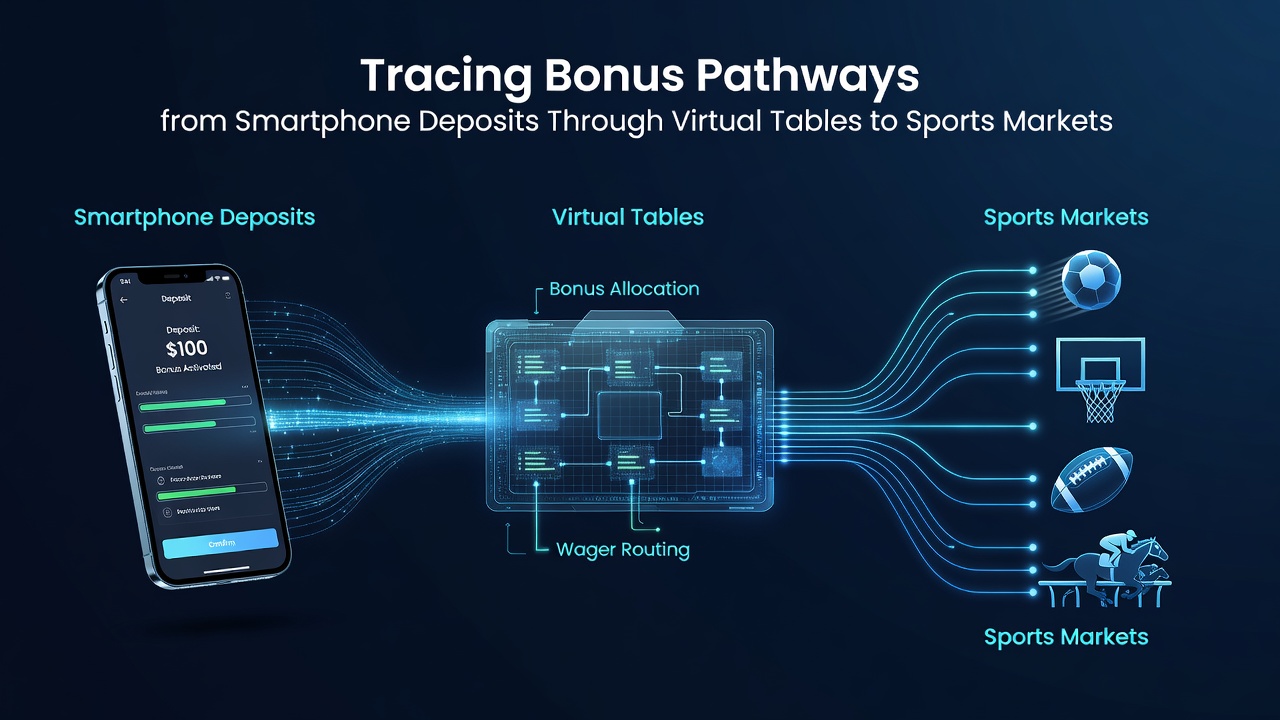
Following the Trail of Smartphone Bonuses from Virtual Tables to Sports Betting Arenas
Digital reward systems in mobile gaming platforms create traceable sequences that begin with smartphone deposits and extend through virtual table environments before reaching sports markets, with operators using integrated payment gateways and bonus ledgers to manage these flows across multiple product categories. Data from industry reports shows that deposits initiated via mobile applications often trigger initial bonuses that players can allocate to virtual table games such as roulette or blackjack, after which any converted winnings or remaining credits may transfer into sports wagering accounts under specific terms set by the platform.
Initial Deposit Mechanisms and Bonus Activation
Smartphone deposits typically occur through e-wallets or direct bank links that feed into a central player account, where operators apply welcome or reload bonuses as credits that remain restricted until certain conditions are met, and these credits frequently carry wagering requirements that direct activity first toward virtual tables because those games contribute at higher rates to requirement fulfillment than other categories. Observers note that platforms maintain separate ledgers for each game type, allowing the system to track how bonus funds move from the deposit stage into table play without immediate crossover to sports sections until table-based play generates eligible balances.
Payment processors record timestamps and amounts at each step, creating audit trails that regulators adn operators review to ensure compliance with jurisdictional rules on bonus usage, while players receive notifications through the mobile app that outline remaining requirements and eligible game categories at any given moment.
Progression Through Virtual Table Environments
Once bonus funds reach virtual table sections, play on games like live dealer blackjack or poker variants converts portions of the balance into cashable winnings according to predefined contribution percentages, and platforms apply these conversions in real time so that players can monitor progress via dashboard displays. Researchers have documented cases where table game sessions lasting several rounds produce sufficient activity to unlock partial transfers, with the remaining bonus amount either expiring or rolling over depending on the platform's policy structure.
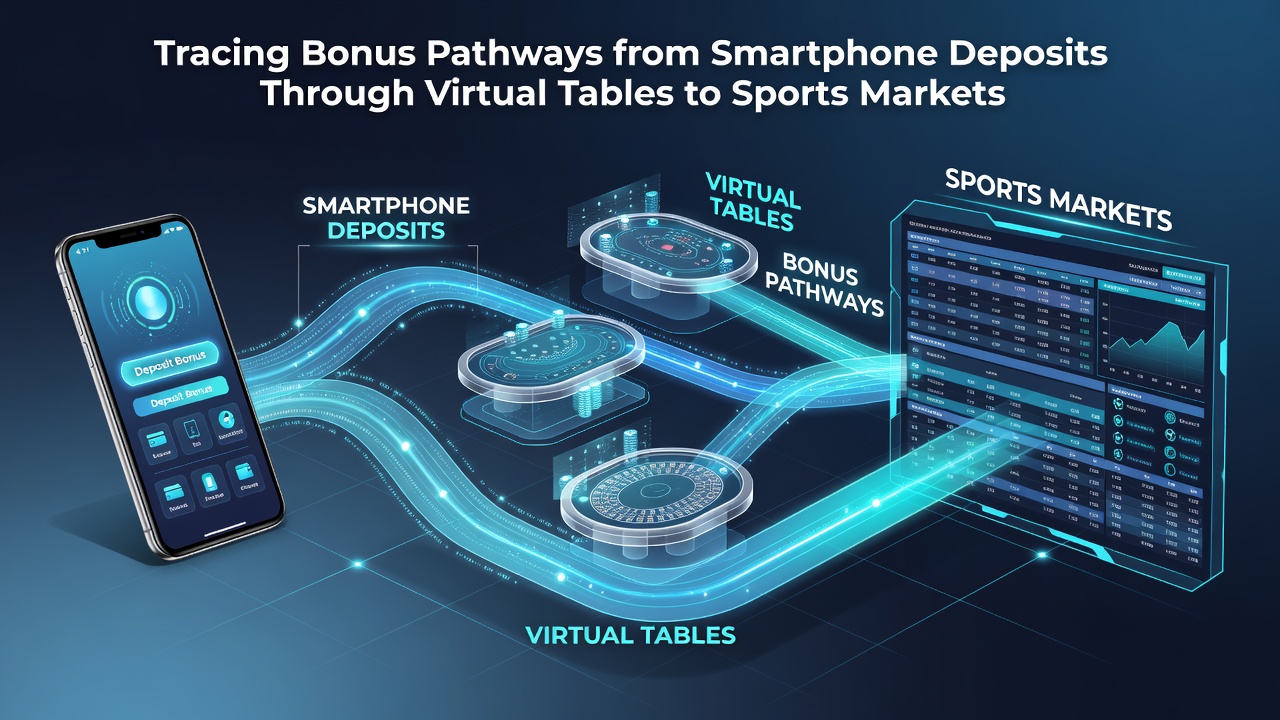
Virtual table environments often feature multiplier events or daily challenges that accelerate bonus depletion rates, and data indicates these mechanics encourage sustained engagement before any surplus moves onward, because operators design the pathways to prioritize table activity as an intermediate stage that filters funds toward sports markets only after table conditions clear.
Transition Points into Sports Markets
After virtual table play satisfies initial requirements, platforms permit remaining or converted balances to enter sports betting sections, where users can apply them to event odds or accumulator bets, and this transition relies on unified account balances that sync across product lines through backend APIs. Industry analyses reveal that cross-product transfers occur most frequently during promotional windows when operators align table-based rewards with upcoming sports fixtures, creating temporary pathways that link the two categories without violating separate licensing conditions.
Systems log each transfer with unique identifiers that allow later reconciliation, and those who have examined platform architectures note that sports markets receive the funds only after table verification completes, which prevents premature allocation and maintains the intended sequence from deposit through tables to betting options.
Regulatory and Technical Oversight in Mid-2026
By August 2026 several jurisdictions plan to implement updated tracking standards that require operators to report bonus pathway data in standardized formats, and these changes aim to increase transparency around how smartphone deposits influence activity across virtual tables and sports markets. Technical updates scheduled around that period include enhanced API connections between game servers and sports odds engines, which will allow more precise monitoring of fund movements without altering the underlying sequence of play.
According to statistics compiled by the National Council on Problem Gambling, cross-category bonus usage patterns have shown measurable shifts in recent years, prompting further examination of how mobile deposits feed into multi-product ecosystems. Another source, a research summary from Health Canada, provides comparative figures on bonus redemption rates across different game types that operators reference when refining their internal pathways.
Conclusion
The pathways that connect smartphone deposits to virtual tables and onward to sports markets depend on layered technical systems and compliance frameworks that record each stage of fund movement, and ongoing developments through 2026 continue to shape how these sequences operate across platforms. Observers continue to monitor these flows through available data sets because the structures determine how rewards progress from one category to another while satisfying regulatory expectations in multiple regions.