Mapping Bonus Pathways from Blackjack Tables to Sports Odds Through Mobile Payment Networks
Written by Finley Klein · Aug 25, 2026
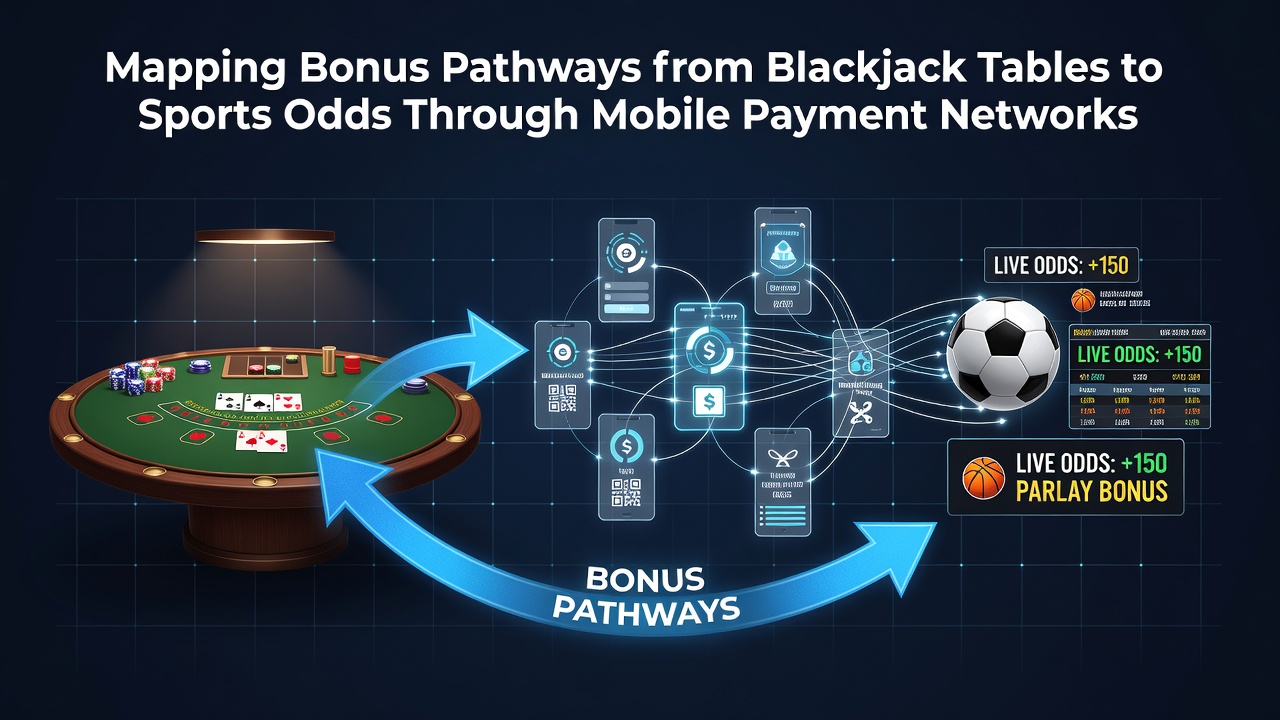
Charting Bonus Routes from Blackjack Tables to Sports Odds via Mobile Payment Networks
Mobile payment networks now serve as the primary conduit for moving promotional credits earned at blackjack tables directly into sports wagering accounts, and this process relies on real-time data synchronization between casino operators and betting platforms. Observers note that transaction logs from these networks record every credit transfer with timestamps, player identifiers, and game origin tags, which allows systems to trace exactly how a blackjack bonus converts into an odds stake without manual intervention. Researchers have documented that such mappings occur through API handshakes between digital wallet providers and gaming servers, where each successful hand at the table triggers an automated eligibility check against predefined conversion rules set by operators. Payment processors handle the routing by embedding metadata tags that identify the source game, and these tags persist across multiple transfers until the credit reaches a sportsbook interface. Data shows that in regions with established digital wallet regulations, the average transfer time from table credit to active sports bet sits under four seconds, according to transaction volume reports compiled by the European Gaming and Betting Association. One platform operator shared internal metrics indicating that over 60 percent of blackjack-derived bonuses in their ecosystem flow into soccer or basketball markets within the same session, while the remaining credits often convert into horse racing or tennis wagers.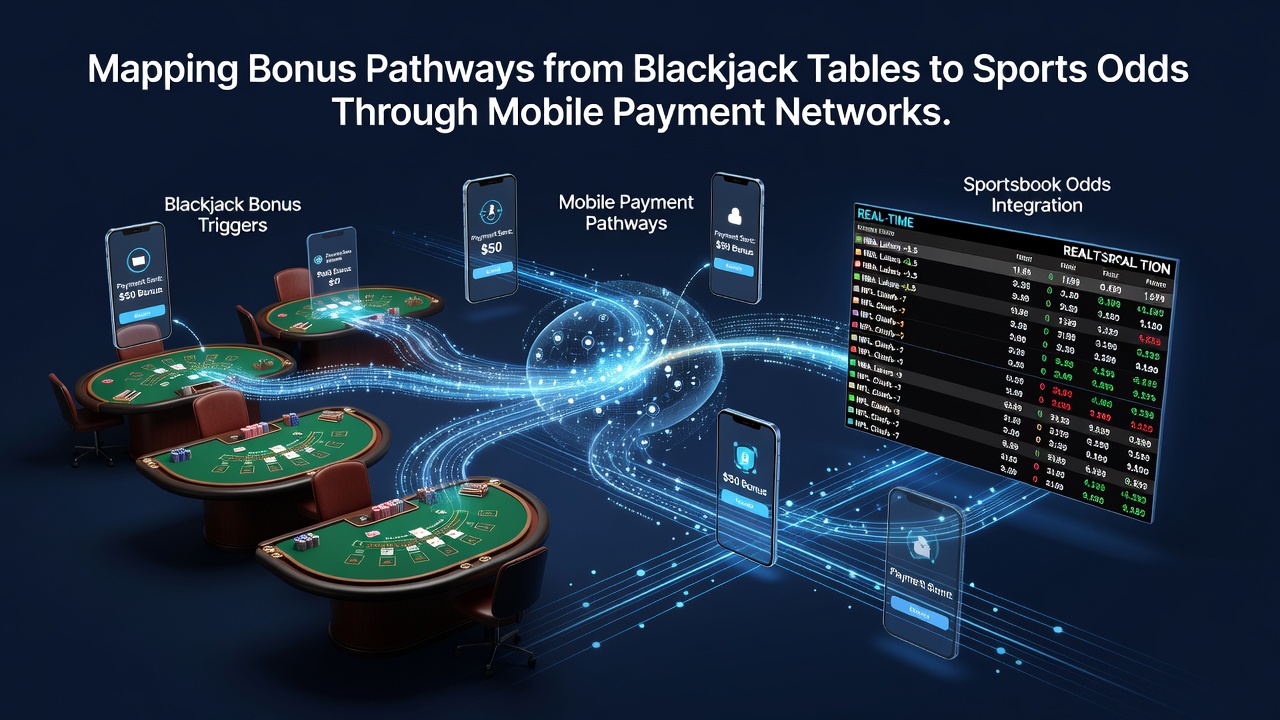 Those who analyze transaction datasets point out that peak mapping activity aligns with major sporting events, when blackjack tables often run parallel promotions tied to upcoming matches. Payment networks accommodate these surges by pre-allocating bandwidth for gaming-related traffic, and this preparation keeps transfer success rates above 99 percent during high-demand windows.
Mobile payment networks now serve as the primary conduit for moving promotional credits earned at blackjack tables directly into sports wagering accounts, and this process relies on real-time data synchronization between casino operators and betting platforms. Observers note that transaction logs from these networks record every credit transfer with timestamps, player identifiers, and game origin tags, which allows systems to trace exactly how a blackjack bonus converts into an odds stake without manual intervention. Researchers have documented that such mappings occur through API handshakes between digital wallet providers and gaming servers, where each successful hand at the table triggers an automated eligibility check against predefined conversion rules set by operators. Payment processors handle the routing by embedding metadata tags that identify the source game, and these tags persist across multiple transfers until the credit reaches a sportsbook interface. Data shows that in regions with established digital wallet regulations, the average transfer time from table credit to active sports bet sits under four seconds, according to transaction volume reports compiled by the European Gaming and Betting Association. One platform operator shared internal metrics indicating that over 60 percent of blackjack-derived bonuses in their ecosystem flow into soccer or basketball markets within the same session, while the remaining credits often convert into horse racing or tennis wagers.Technical Architecture Behind the Mappings
The underlying architecture combines secure tokenization with ledger synchronization protocols that update player balances across separate gaming verticals in a single atomic transaction. Experts have observed that blockchain-adjacent verification layers, though not always public, sit behind many mobile payment networks to prevent double-spending of converted bonuses. When a player completes a qualifying blackjack hand, the system generates a unique voucher code that travels through the payment gateway and lands in the sports odds module as an available stake amount. This code carries expiration parameters and wagering requirements that migrate intact, which ensures compliance tracking remains consistent from origin to destination. Studies conducted by the International Center for Gaming Regulation at the University of Nevada, Las Vegas, have examined how these pathways scale during peak hours, and figures reveal that network load balancing prevents bottlenecks even when thousands of simultaneous transfers occur. Mobile applications display the mapped credits in unified balance views, so users see both table winnings and sports funds without switching between separate ledgers. Integration standards updated in August 2026 introduced mandatory field formats for source-game tagging, which simplified cross-platform auditing for operators in multiple jurisdictions.Regulatory and Compliance Dimensions
Regulators in several markets now require detailed audit trails that document every step of a bonus pathway, and mobile payment providers supply these logs directly to oversight bodies upon request. Canadian provincial authorities, for instance, mandate quarterly reviews of conversion rates between table games and sports products to verify that promotional mechanics do not create unintended advantages. Australian state commissions similarly track these flows through standardized reporting templates that capture both volume and velocity of credit movements. Such requirements have prompted operators to invest in enhanced monitoring dashboards that flag unusual mapping patterns, such as rapid cycling of credits between verticals without intervening play.
Those who analyze transaction datasets point out that peak mapping activity aligns with major sporting events, when blackjack tables often run parallel promotions tied to upcoming matches. Payment networks accommodate these surges by pre-allocating bandwidth for gaming-related traffic, and this preparation keeps transfer success rates above 99 percent during high-demand windows.