Payment Verification Durations Impacting Access to Higher Tiers in Live Tables and Sports Markets Apps
Written by Rosa Weber · Aug 25, 2026
Payment Verification Durations Impacting Access to Higher Tiers in Live Tables and Sports Markets Apps
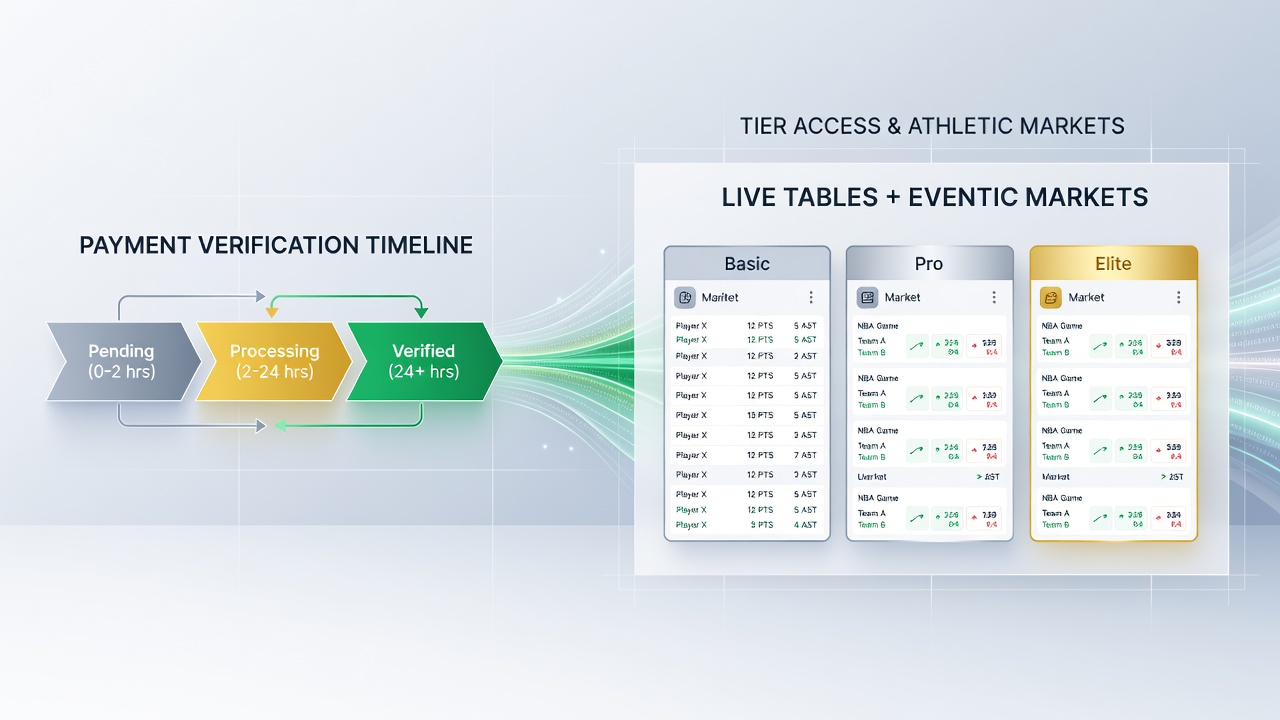
Hybrid applications that combine live dealer tables with athletic event markets rely on payment verification timelines to control progression through tiered access systems, and these timelines determine when users unlock enhanced features such as priority table seating, customized odds feeds, and accelerated reward multipliers. Operators structure their platforms so that deposit confirmation speeds directly influence eligibility for successive loyalty levels, which in turn grant expanded betting limits and exclusive market access.
Mechanics of Verification in Integrated Platforms
Payment verification begins the moment a user initiates a deposit or withdrawal, with automated systems cross-checking transaction details against banking records, identity documents, and compliance databases. In apps merging live tables with sports markets, this process often incorporates real-time data feeds that flag high-volume activity across both product types, and shorter verification windows allow users to move funds between table sessions and event wagers without interruption. Longer verification periods, by contrast, restrict immediate access to premium tier benefits until the transaction clears, creating a bottleneck that operators use to manage risk exposure.
Industry data from the Nevada Gaming Control Board shows that platforms processing payments in under 15 minutes report higher rates of tier advancement compared with those requiring 30 minutes or more, because users can sustain continuous play across live dealer sequences and live sports odds updates. Verification algorithms now incorporate machine learning models that assess transaction patterns from prior sessions, enabling faster approvals for established accounts while flagging new or irregular activity for manual review.
Tier Access Linked to Processing Speed
Tier systems in these hybrid apps typically progress through multiple stages, each requiring cumulative verified transaction volumes completed within specific timeframes. Entry-level access might open after a single verified deposit, whereas mid-tier status demands repeated confirmations across both live table and sports market segments, and top-tier privileges often hinge on sustained high-speed verification cycles. When verification extends beyond standard windows, users experience delays in reward accrual and market availability, which data from platform analytics indicates reduces overall engagement metrics by measurable percentages.
Examples from Current Implementations
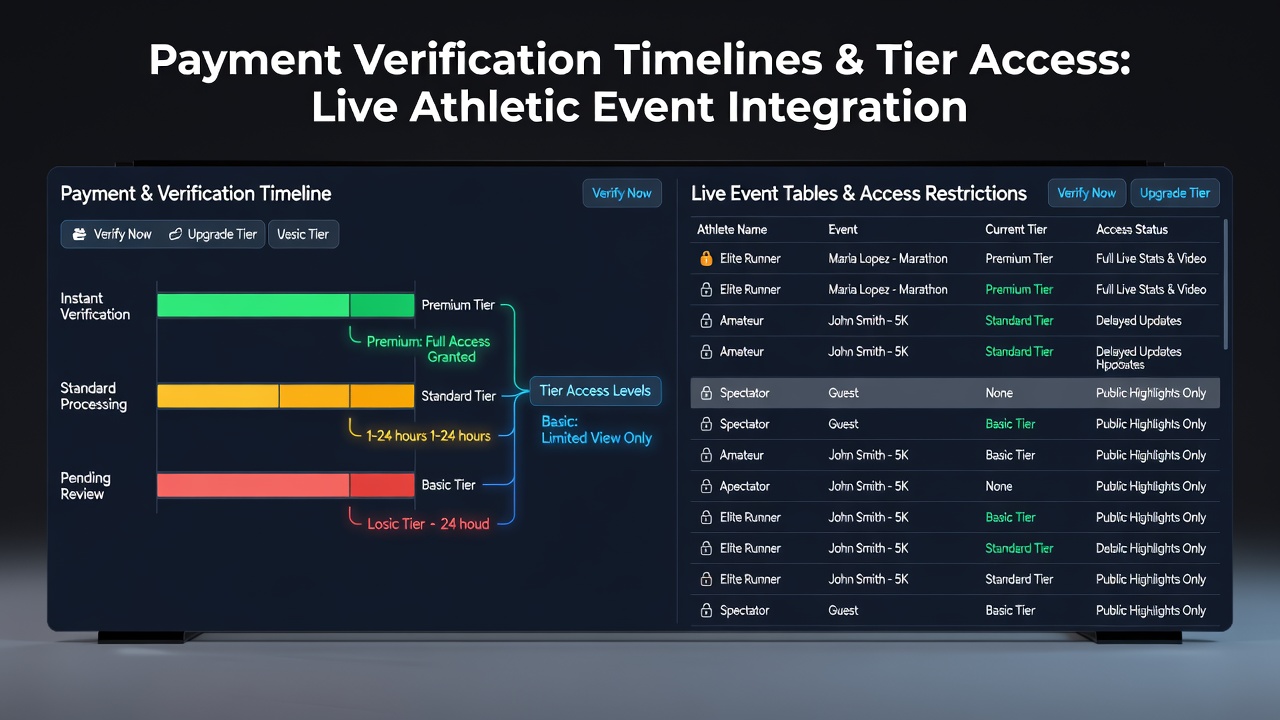
One platform operator implemented a tier model where verification completed in under 10 minutes unlocked immediate eligibility for enhanced sports market lines and live dealer private tables, while delays pushed users into a holding queue until the following business cycle. Another case involved an app that synchronized verification with athletic event schedules, granting tier upgrades only when payments cleared before match start times, and this approach aligned payment flows with peak betting windows. Researchers tracking user behavior across multiple operators note that consistent sub-20-minute verifications correlate with faster tier climbs, particularly when users alternate between table games and event markets within single sessions.
Regulatory and Technical Factors in August 2026
Updates scheduled for August 2026 introduce standardized verification protocols across several jurisdictions, requiring platforms to maintain audit logs of processing durations for all hybrid transactions. These changes aim to align payment systems with emerging technical standards for cross-product activity tracking, and operators must adjust their tier algorithms accordingly. Technical integrations now include API connections between payment processors and both live dealer servers and sports data providers, allowing simultaneous verification checks that reduce overall wait times while preserving compliance checkpoints.
Academic studies from the University of Nevada, Reno, examine how verification speed affects user retention in multi-product environments, and preliminary findings indicate that platforms achieving average verification under 12 minutes sustain higher tier mobility rates. External factors such as banking partner response times and regional payment network loads also influence outcomes, with peak periods around major athletic events sometimes extending verification windows and temporarily stalling tier progression.
Operational Adjustments by Platform Providers
Platform providers respond to these dynamics by deploying tiered verification lanes that prioritize accounts with established transaction histories, and this segmentation allows high-activity users in live table and sports market segments to bypass standard queues. Data aggregation tools compile verification statistics across both product categories, enabling operators to refine eligibility criteria for each tier based on observed clearance patterns. When verification timelines shorten through technological upgrades, users report smoother transitions between table sessions and event wagers, which supports sustained participation across the combined markets.
Industry reports from the Canadian Gaming Association document similar patterns in North American hybrid applications, where verification speed serves as a gating mechanism for accessing specialized features such as live dealer side bets tied to sports outcomes. Adjustments in August 2026 are expected to standardize reporting requirements around these metrics, giving operators clearer benchmarks for system performance.
Conclusion
Payment verification timelines function as structural controls within apps that merge live tables with athletic event markets, directly shaping the pace at which users advance through tiered access levels. Shorter processing durations facilitate quicker eligibility for premium features, whereas extended timelines create deliberate pauses that operators leverage for risk management. As technical standards evolve in August 2026, these verification mechanisms will continue to determine how fluidly players navigate between live dealer environments and sports betting opportunities.