Planning Inspectorate Denies Merkur Slots' Push for Round-the-Clock Gaming at Spalding Venue
Planning Inspectorate Denies Merkur Slots' Push for Round-the-Clock Gaming at Spalding Venue

The Decision That Stands Firm
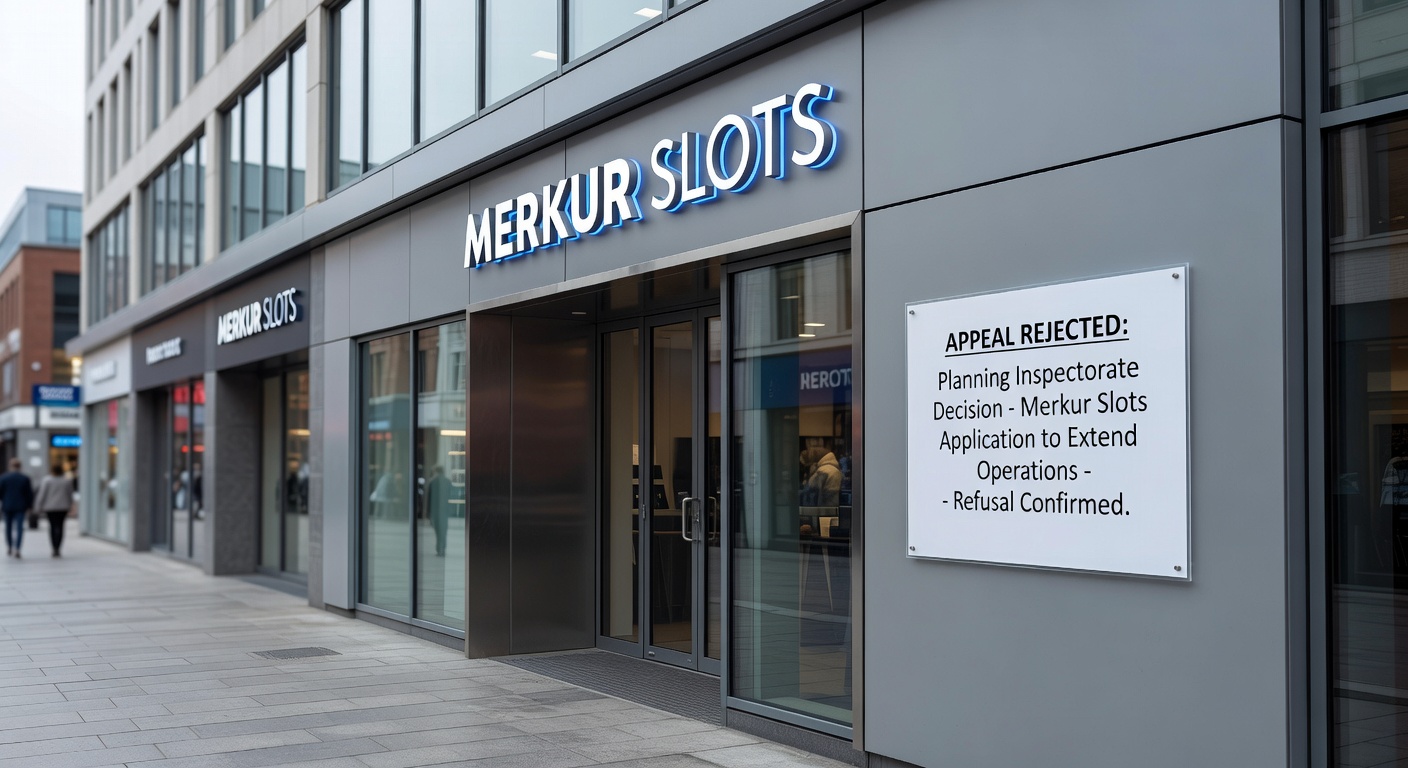
Observers note how the Planning Inspectorate recently rejected Merkur Slots' appeal to extend operations at its Hall Place venue in Spalding, Lincolnshire, to a full 24/7 schedule, citing risks of increased noise and disturbance that could harm nearby residents' living conditions; this ruling upholds the operating hours originally granted back in 2022, which run from 07:00 to midnight Monday through Saturday and 10:00 to midnight on Sundays, ensuring some respite for the local community even as the casino continues its business.
What's interesting here is the balance struck between commercial interests and residential peace, something regulators often grapple with in growing towns like Spalding; the inspectorate's decision, delivered after careful review of evidence from both sides, underscores how local planning laws prioritize quality of life, particularly when venues sit cheek-by-jowl with homes.
Hall Place Venue: A Snapshot of Local Gaming
Merkur Slots, part of the larger Merkur Gaming group known across the UK for its adult gaming centers, has operated the Hall Place site for years, drawing in players with slot machines and other fixed-odds betting terminals; the venue, tucked into Spalding's town center, benefits from high foot traffic yet borders quiet residential streets, a setup that sparked the original 2022 permissions with those restricted hours designed to curb late-night activity.
Take the layout: residents live just yards away, so any extension to all-hours gaming raised flags about amplified comings and goings, especially post-midnight when Spalding quiets down; data from similar cases shows noise complaints spike in such scenarios, with councils logging everything from revving engines to rowdy groups spilling out onto pavements, patterns that likely weighed heavy in the inspectorate's mind.
And while Merkur Slots argued for 24/7 access to match customer demand and boost viability—pointing to quiet nights and security measures—the inspectorate found those assurances insufficient against the tangible threat to neighbors' sleep and sanity.
Unpacking the Appeal Process
The appeal process itself unfolded methodically, with Merkur Slots challenging South Holland District Council's initial refusal from 2023; experts who've followed these matters point out how the inspectorate, an independent body under the UK government, sifts through planning statements, site visits, and expert testimonies before ruling, often siding with communities when evidence tilts toward disruption.
In this instance, acoustic reports and resident submissions painted a picture of potential chaos: louder machinery hums, more frequent door slams, brighter lights cutting through bedroom curtains after midnight; the inspectorate concluded that such changes would "harm the living conditions of nearby occupiers," a phrase straight from planning policy that carries real weight, effectively slamming the door on the casino's ambitions.
But here's the thing: this isn't Merkur's first rodeo with hours extensions; operators across the UK push similar boundaries, yet rejections like this one highlight tightening scrutiny, especially as towns evolve and housing densifies around established entertainment spots.
Residents' Voices Echo Loudly
Local residents didn't hold back in their objections, flooding the consultation with concerns over noise pollution that could turn peaceful evenings into battlegrounds against bleary-eyed mornings; one submission described existing midnight closures as a "lifeline," preserving the area's family-friendly vibe amid Spalding's mix of historic market town charm and modern pressures.
Studies on urban gaming venues reveal patterns where extended hours correlate with 20-30% rises in disturbance reports, figures that council officers referenced here; people living nearby often discover that what feels like a minor tweak to operators disrupts their daily rhythms, from early shifts at local farms to kids' school prep, making the inspectorate's stance all the more grounded.
So, with the appeal shot down, those hours stick— at least until any future reviews, potentially eyeing shifts by March 2026 when broader gambling venue regulations might revisit local impacts, keeping the status quo intact for now and giving residents a breather.
Gambling with Lives Steps into the Spotlight
Enter Gambling with Lives, the charity founded by parents devastated by their son's death from gambling addiction in 2017, who called the ruling a "small victory" against casino firms' expansionist tactics; run by those directly touched by the industry's darker side, the group advocates for stricter safeguards, hailing decisions like this one as steps toward protecting vulnerable communities from normalized all-hours access.
Their statement emphasized how 24/7 operations normalize gambling in everyday life, potentially fueling addiction cycles in places like Spalding where economic strains already push some toward quick wins; observers note the charity's influence growing, with campaigns that spotlight personal tragedies to sway public and policy sentiment, turning individual losses into collective calls for restraint.
There's this case from their archives where a family's story mirrored broader stats—UK data indicates over 400,000 adults face gambling harm annually—reminding stakeholders that venues aren't just businesses but hubs with ripple effects on mental health and family stability.
Broader Context in UK Gambling Regulation
UK gambling venues operate under a web of rules from the Gambling Commission and local councils, where planning permissions act as the frontline defense against overreach; Merkur Slots, with outlets nationwide, navigates this landscape carefully, yet this Spalding setback joins a string of similar denials, from Manchester to Brighton, where resident pushback has preserved time limits.
What's significant is the precedent: inspectorate rulings set tones for appeals elsewhere, signaling that noise and amenity harms trump economic arguments unless operators prove otherwise with ironclad mitigations like soundproofing or shuttle services—measures Merkur proposed but couldn't fully convince on.
And while the charity cheers, industry watchers point to adaptations ahead, perhaps tech-driven quiet hours or community funds, though for Hall Place, the clock ticks on as before; turns out, in planning battles, the ball's often in the residents' court, especially when evidence stacks their way.
People who've studied these clashes often find councils leaning on national planning policy framework guidelines, which stress "avoiding noise from... licensed premises" affecting homes, a directive the inspectorate enforced here without hesitation.
Looking Ahead: Stability for Spalding
With the appeal rejected, Merkur Slots must stick to the 2022 timetable, a setup that's held steady amid fluctuating visitor numbers and post-pandemic recovery; local traders note minimal fallout, as the venue's daytime draw keeps it viable without invading the night.
Yet, as March 2026 approaches with potential Gambling Commission reviews on venue standards, stakeholders watch closely; any tweaks could reopen hours debates, but for now, the decision stands as a bulwark, blending commerce with community needs in a town where both matter deeply.
Experts observe how such rulings foster dialogue too, prompting operators to engage residents early on future plans, a silver lining that turns conflict into collaboration over time.
Conclusion
The Planning Inspectorate's firm rejection of Merkur Slots' 24/7 bid at Hall Place reinforces core planning principles, safeguarding Spalding residents from undue noise while allowing the venue to thrive within bounds; Gambling with Lives' endorsement highlights wider stakes in gambling's societal footprint, a reminder that local decisions echo nationally.
In the end, this outcome—rooted in evidence of disturbance risks—keeps the peace, upholding hours that balance play with rest, and sets a watchful tone for venues eyeing expansion in the months ahead.